Ralph Longstaff
Ralph Longstaff
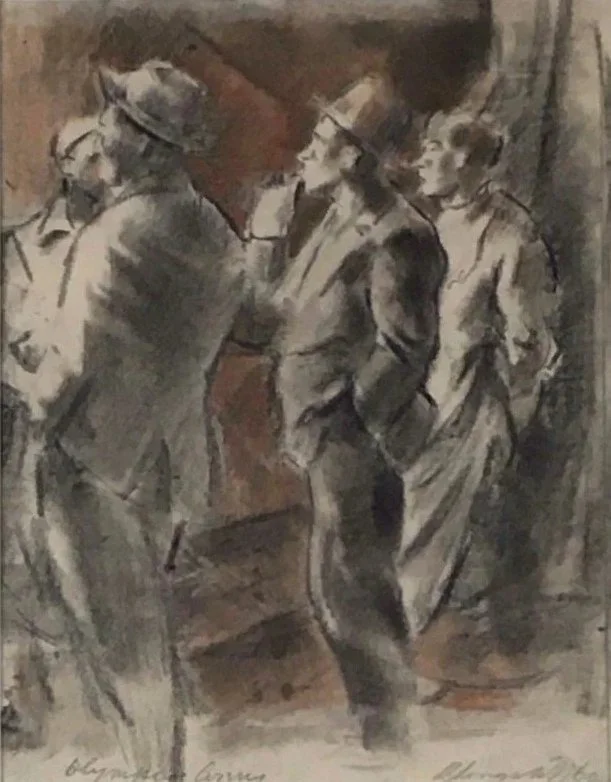
Olympia Circus, 1960
Ralph Longstaff (1890 - 1967)
pastel
27.5 x 21 cm
signed and dated lower right
Provenance: Tolarno Galleries, Melbourne, Australia
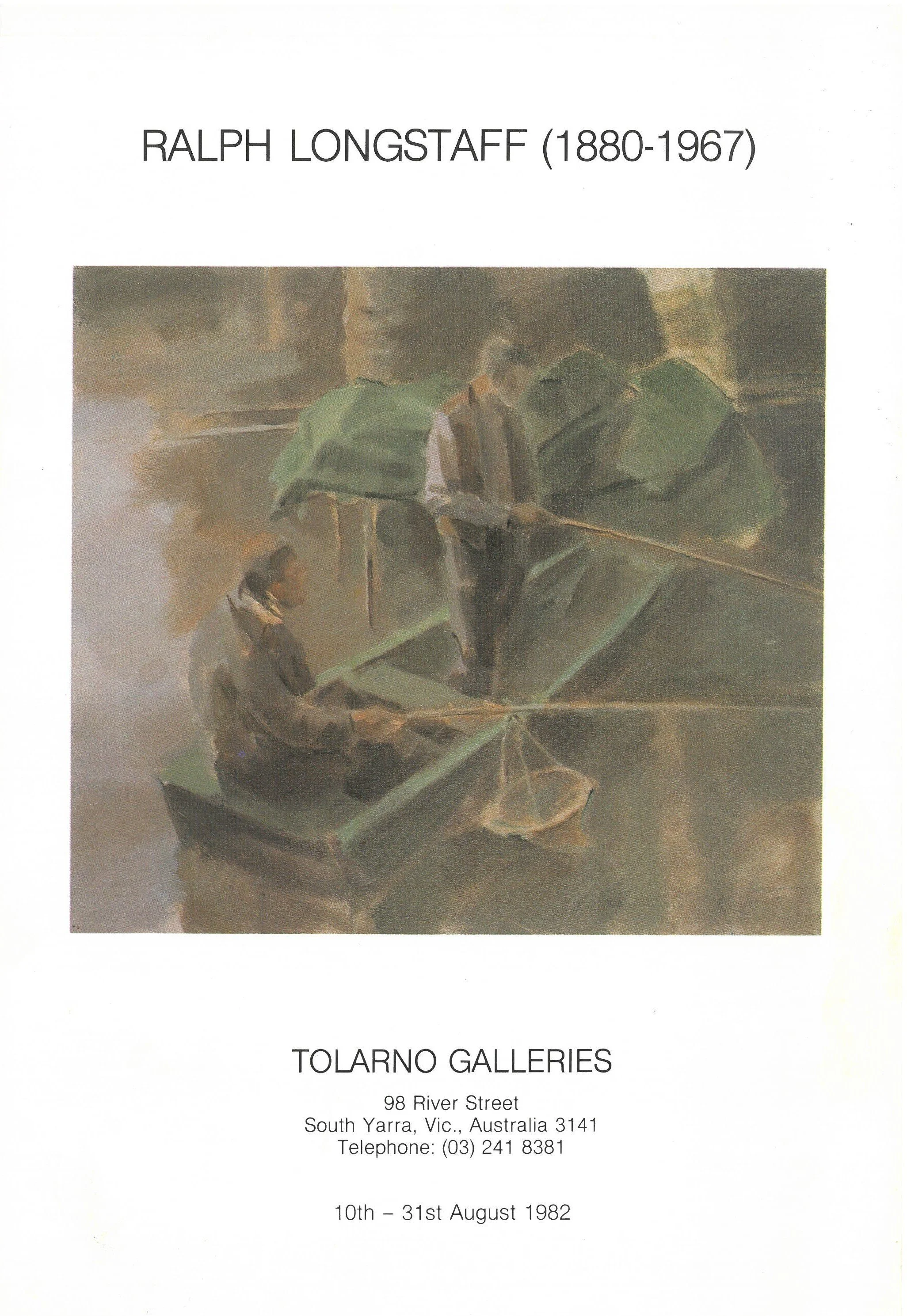
Exhibited: Tolarno Galleries, Melbourne, August 10-31st 1982, Cat no.26
Jeffrey Makin, art critic, wrote about Longstaff’s work at the time of the posthumous 1982 Melbourne exhibition at Tolano Galleries.
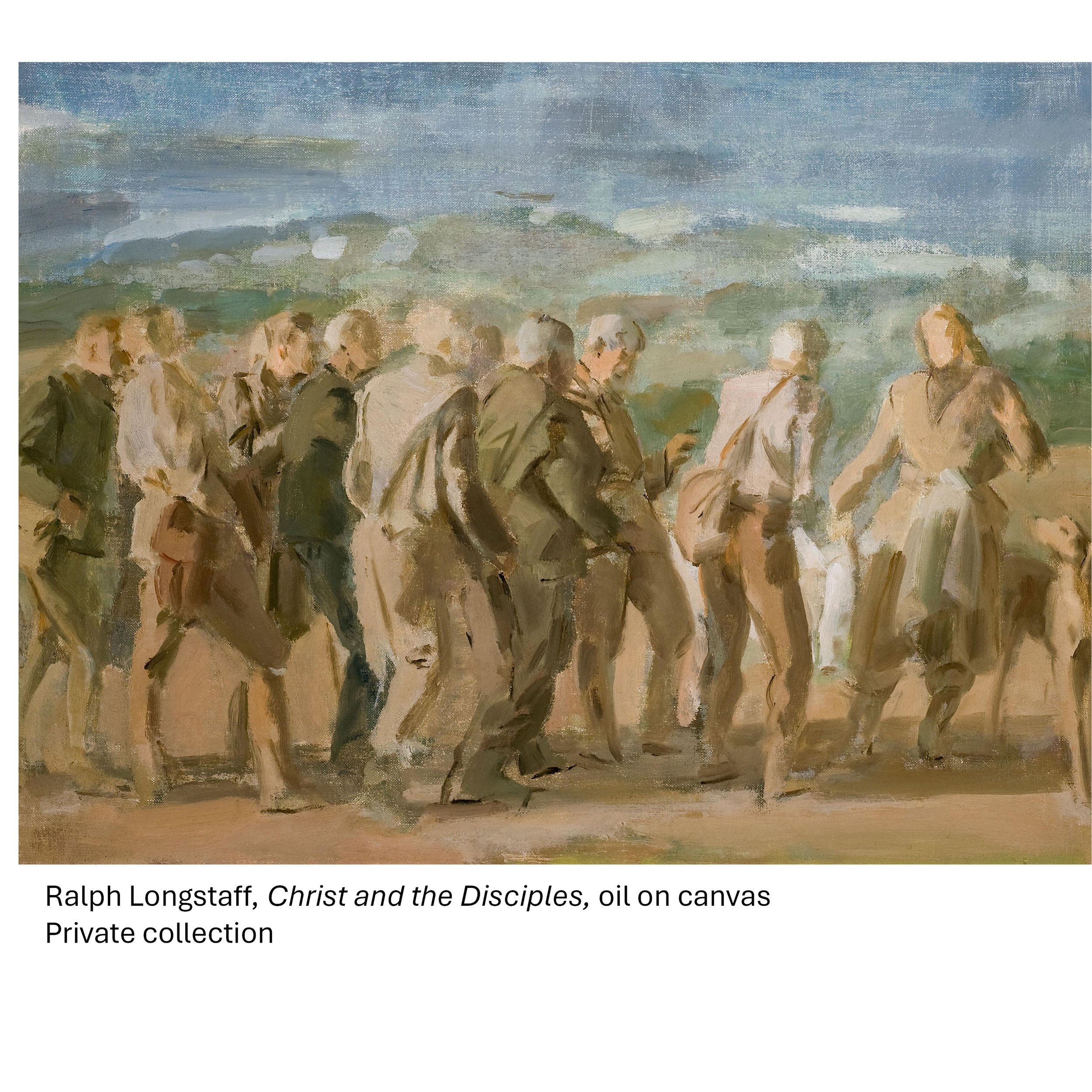
The paintings reveal Longstaff as a painter's painter. This opinion reinforced by his drawings, and his pastels, which are in a word, superb…reminiscent of Degas, yet unlike Degas, Longstaff is primarily concerned with light rather than line. Longstaff's form is flatter, planular, and very aware of the innovations of Cezanne yet these works do not look like a Cezanne, or a Degas. They are informed by both artists but do not emulate a style. Those soft, lyrical passages of this pastel, and others, are tentatively rubbed-in. Form is revealed, rather than stated. Or alternately it dissolves as the power of the light source becomes greater. Like the unpainted white canvas in a Cezanne composition, it's the undrawn upon, white, areas of light that unifies the picture. The light is muted, not unlike the English Autumn light. It's as if reality is veiled by a semi-opaque glaze, which in England it often is.
One of the many enjoyable aspects of the Longstaff exhibition is the logic of his working process. His major paintings are developed from tonal roughs in charcoal or pastel, through numerous detailed studies of the isolated, or grouped figures, to the finished oil painting. The main advantage of this process (as exemplified by Sickert and Harold Gilman's work) is the elegant, smoothness of the finish of the picture, and the soft lyricism created by the limited colour range, and closeness of tone. Also, by the time you have committed yourself to a canvas you have 'learnt' the composition.
It is remarkable that a painter of such quality as Ralph Longstaff was not discovered in his own lifetime.
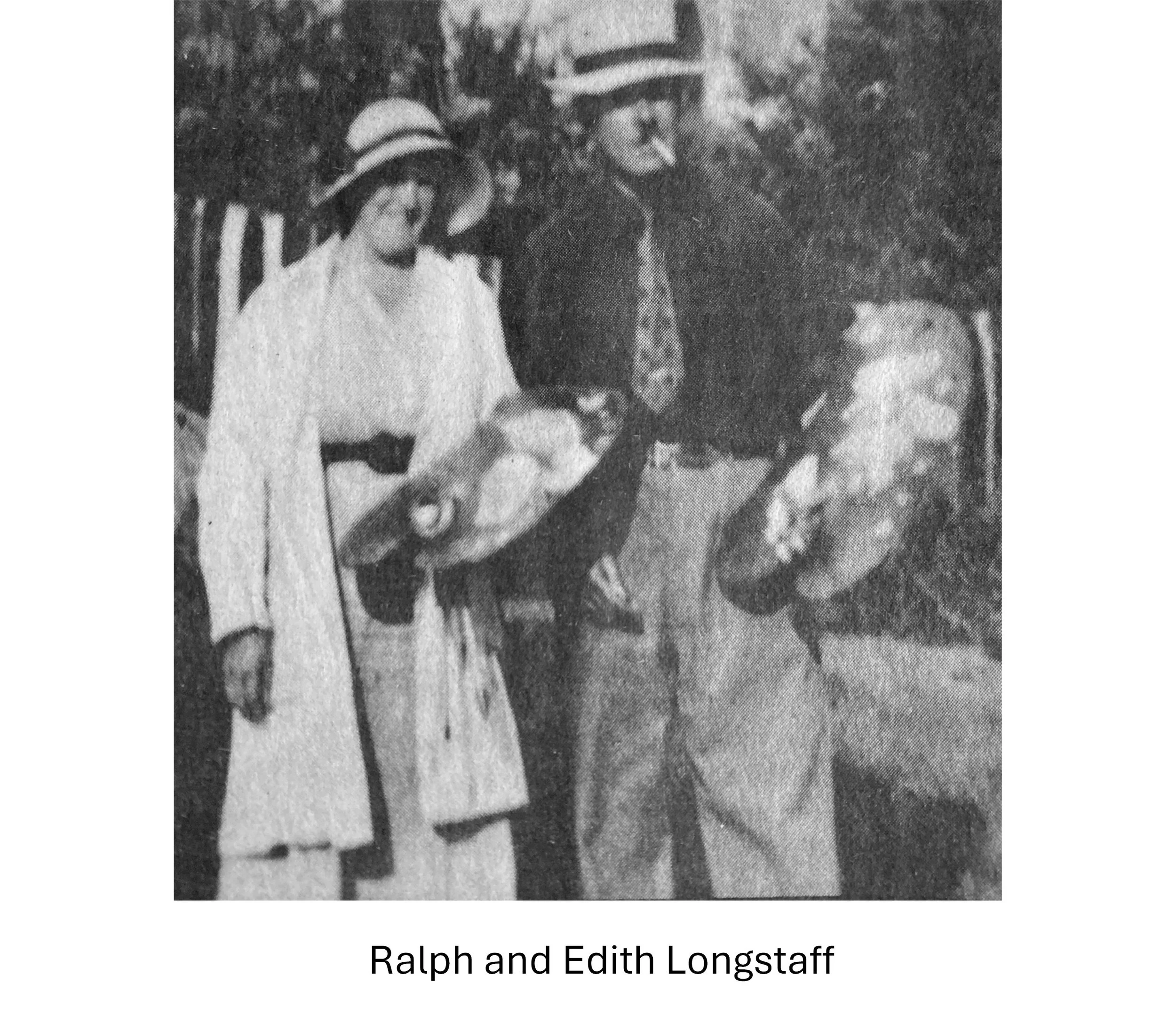
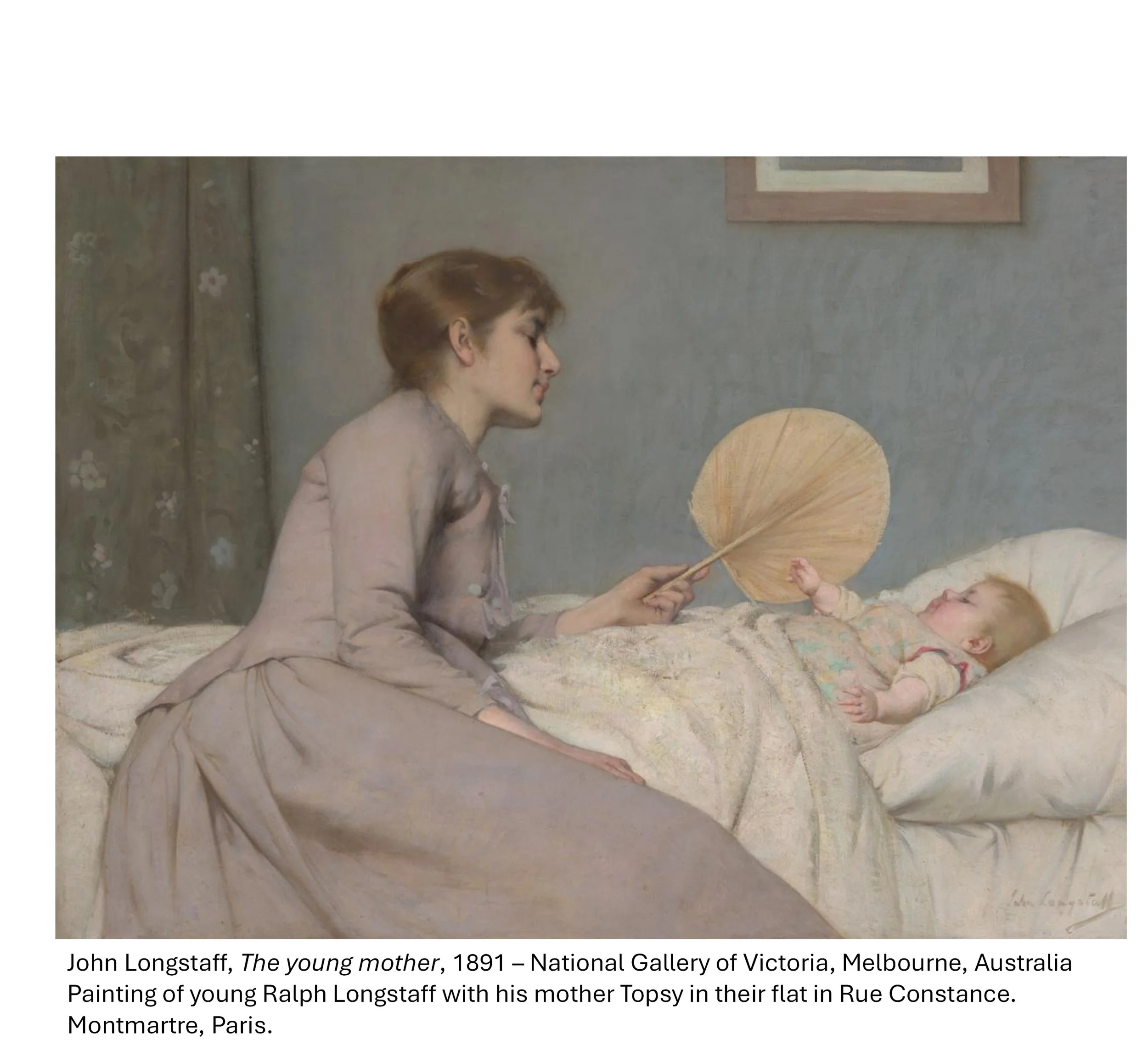
Ralph Longstaff was born in Paris. His father was Australin painter Sir John Longstaff, winner of four Archibald Prizes and portrait painter to the rich and famous. Ralph was educated at a private boys school in Brighton, Melbourne, Australia and St John's Wood, London. From an early age showed outstanding artistic ability. This ability eventually gained him a place at the Royal Academy London.
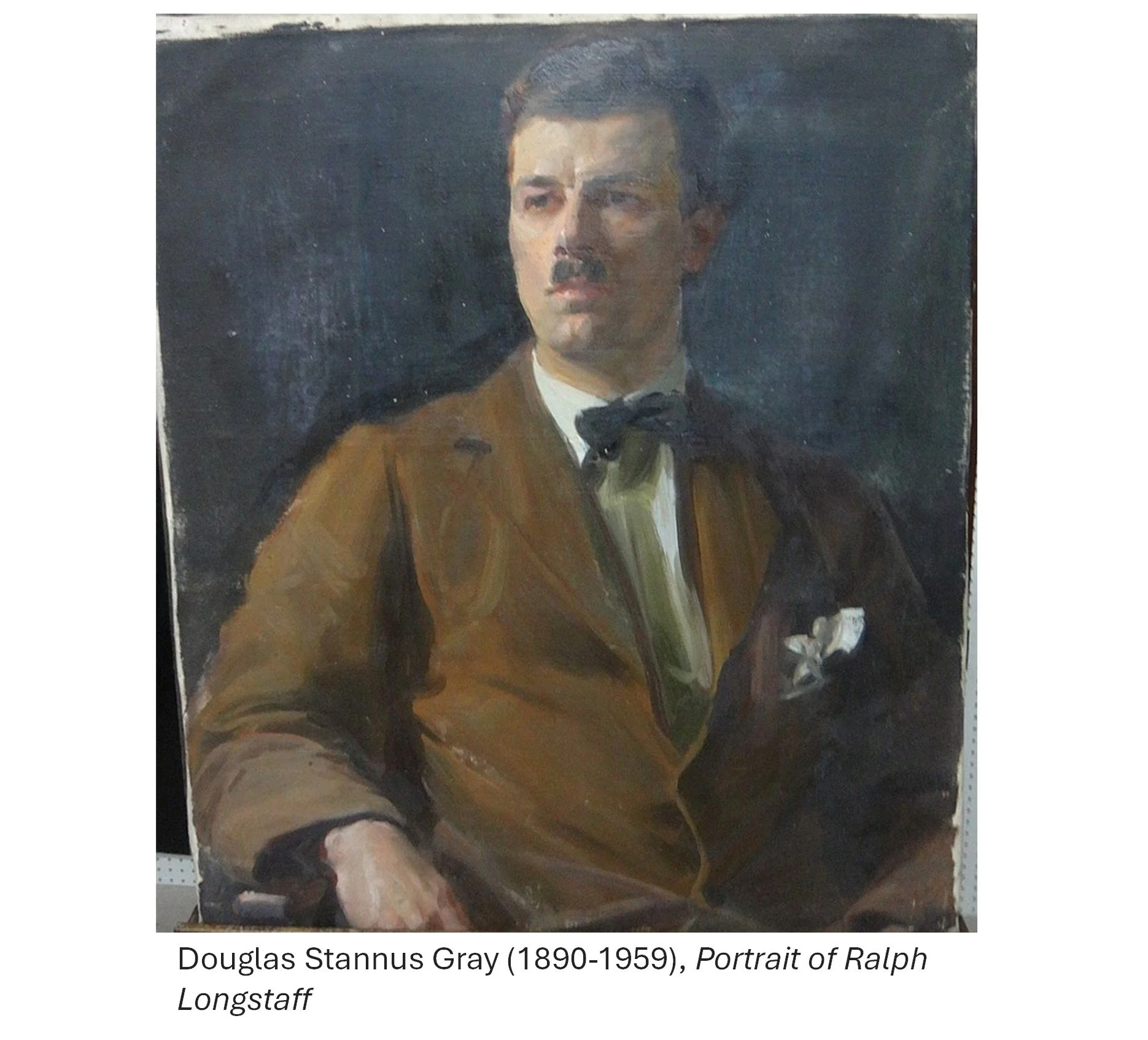
While Longstaff was at the Royal Academy he met his future wife, Edith Hoskins, and befriended Douglas Stannus Gray who was to become his lifelong friend.
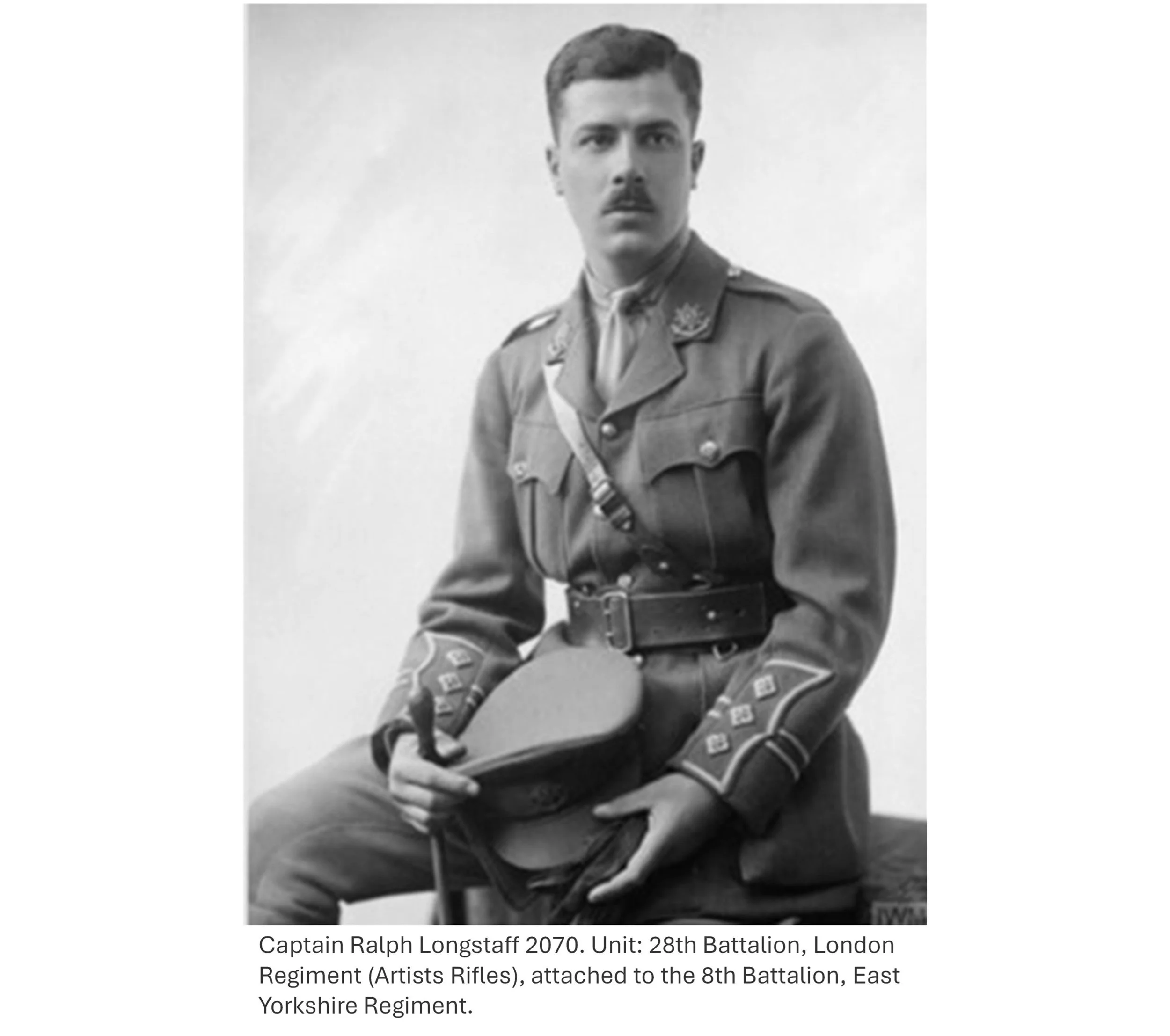
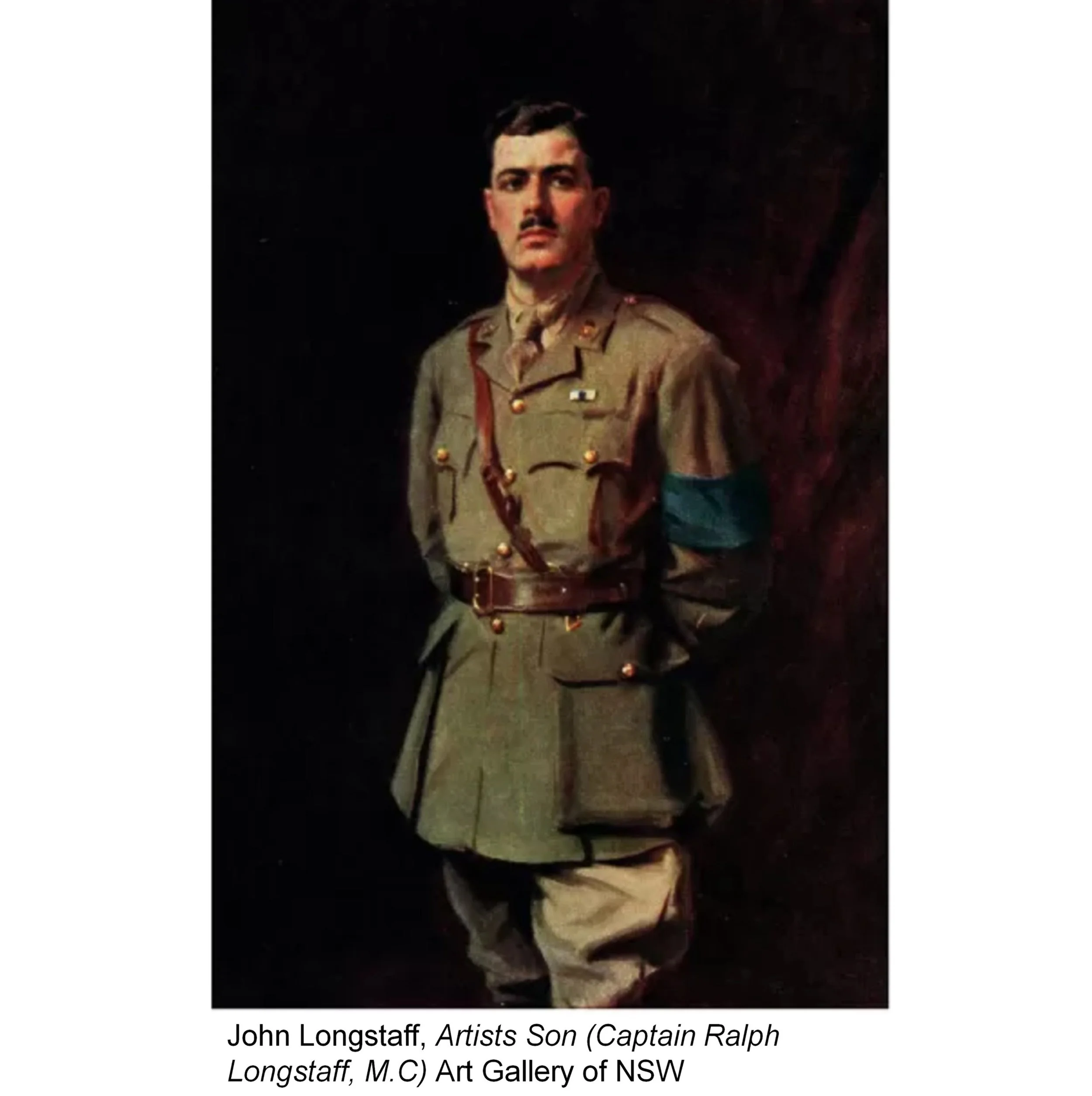
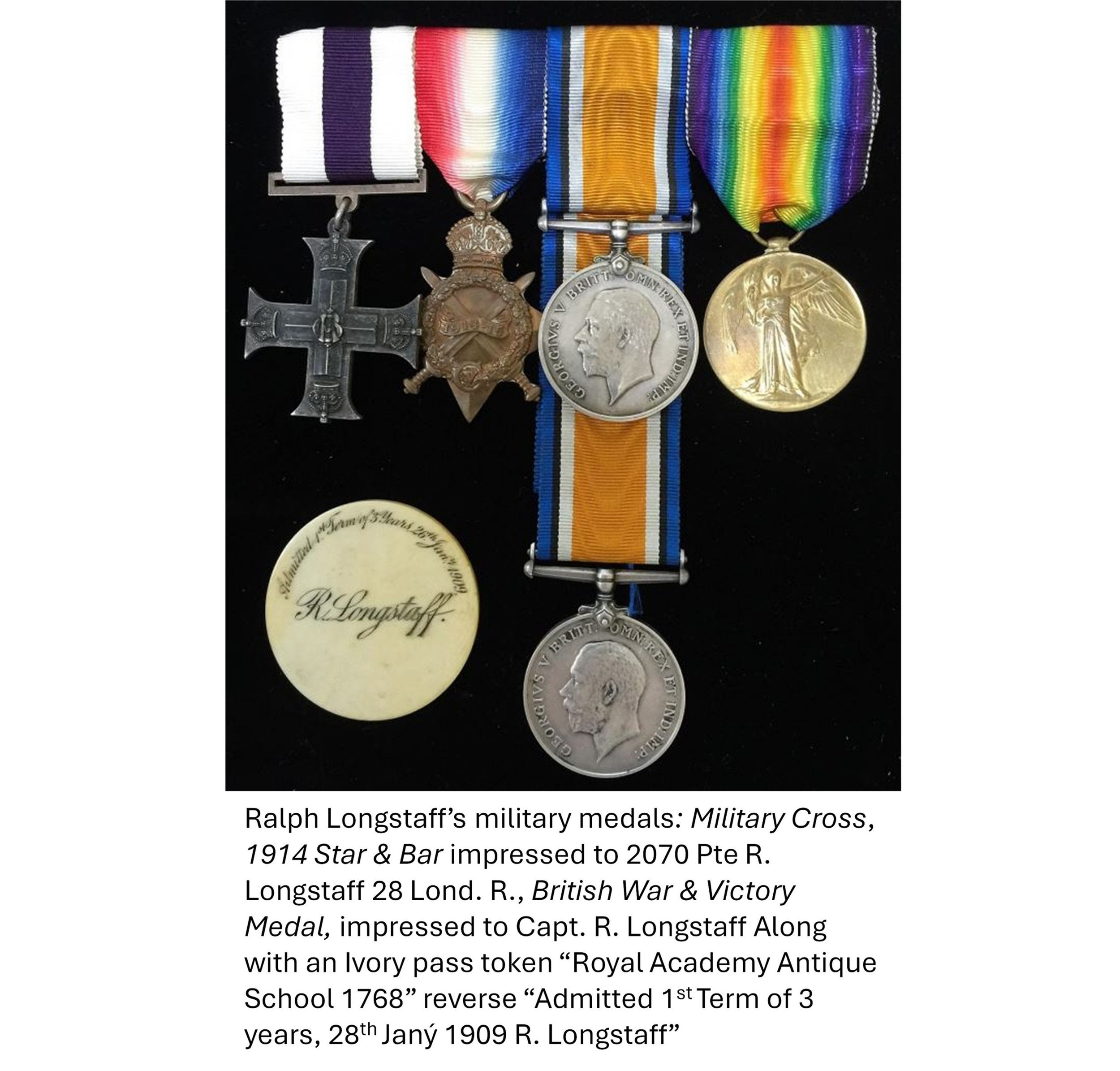
During the 1914-1918 war Longstaff served in France with the 28th Battalion, London Regiment (Artists Rifles) and as a captain attached to the 8th Battalion, East Yorkshire Regiment. He was badly wounded in the Somme and was awarded the Military Cross for exemplary gallantry. It was about this time that his father painted the portrait of him that is in the Art Gallery of N.S.W.
After the war Longstaff married Edith Hoskins. They lived at the Mall Studios from 1926 to 1939, and then moved to 8 Spring Terrace, Richmond.
In 1925 Longstaff went on a painting trip to France with Douglas Gray, and some fellow artists, visiting St Remy, Martignes, and Sienna.
Throughout his life Ralph Longstaff held a number of teaching posts: he taught portrait painting with Philip de Lazlo at the London School of Art, at the Richmond School of Art, and at various private schools. He exhibited occasionally at the Royal Academy (13 works over a 25-year period), but in complete contrast to his father, Ralph Longstaff led a very private life with virtually no exhibition background. In November, 1967 he died at Southwick, near Brighton, in the house of Douglas Gray's widow, only a few months after the death of his wife. He left behind his life's work, drawings, pastels, paintings, all carefully edited and compiled into folios dealing with particular themes.